
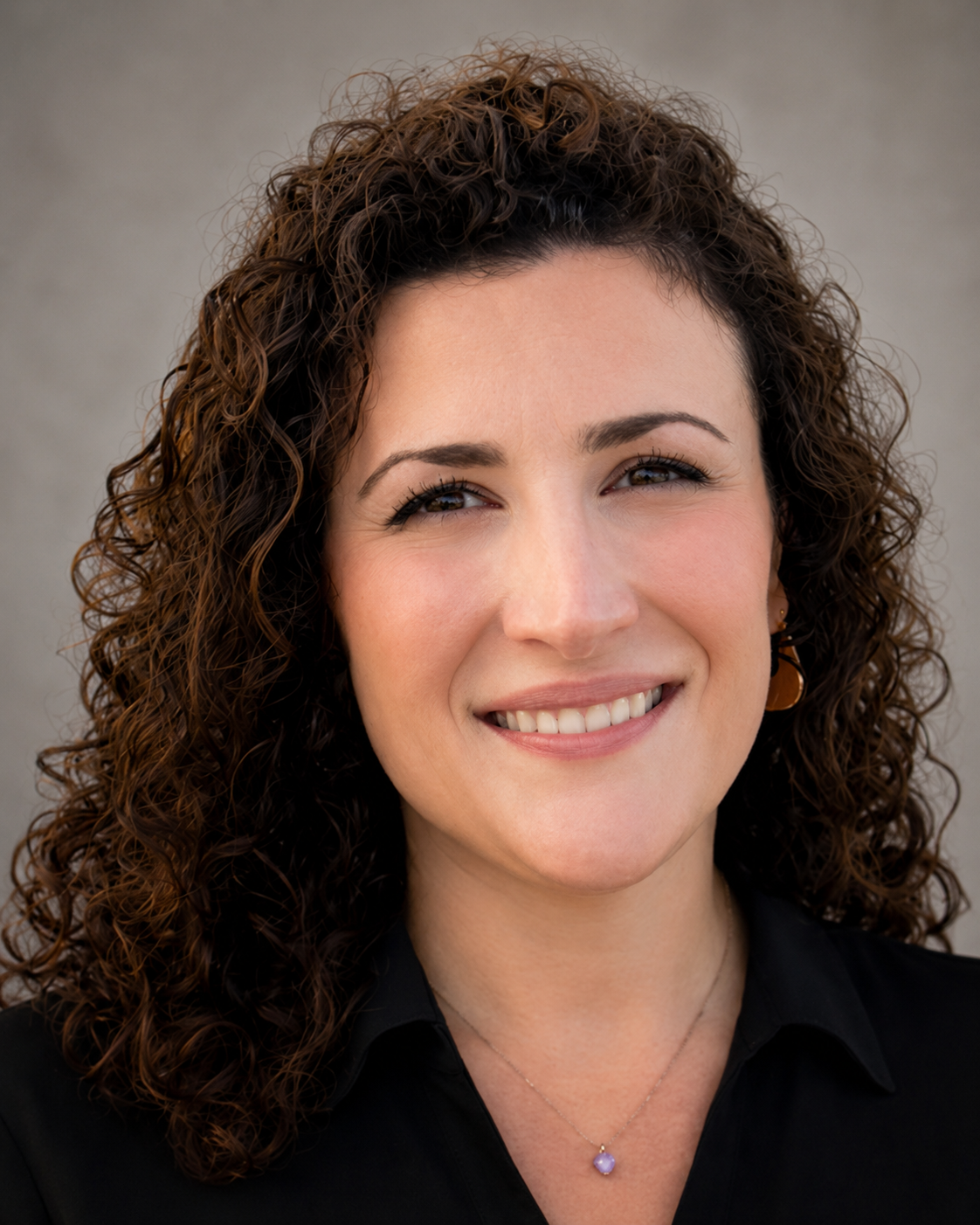
About Meridith
My approach to psychotherapy is grounded in psychodynamic and interpersonal theory, but also shaped by practicality, honesty, and genuine engagement. I tend to work actively in sessions rather than remaining distant or overly neutral, and patients often experience me as candid, invested, and thoughtful.
I believe meaningful therapy grows out of curiosity rather than judgment. People are not problems to be fixed, but individuals trying to understand themselves more clearly while navigating complicated emotional, relational, and practical realities. Together, we look at patterns, relationships, internal conflicts, and ways of coping that may once have served a purpose but no longer feel sustainable or fulfilling.
I value creating a therapeutic relationship that feels authentic, emotionally safe, and intellectually engaged. My goal is not to push people toward a predetermined outcome, but to help them develop greater self-understanding, flexibility, and capacity for meaningful connection.
My Approach
I became a psychologist because of a desire to understand people and to be a resource by which an individual can gain insight but also relief.
I went from a rigorous academic experience in undergraduate work to high-demand interpersonal work experiences in varied settings. I worked in a group capacity with women dealing with the pressures of socioeconomic disparities, gender violence, and limited physical and social resources, as well as with people with developmental differences, assisting them in their daily functioning.
I am lucky to have found both the academic demands of schooling and the interpersonal demands of hands-on treatment and assistance to people in the most need to be enriching and rewarding, and I looked for my next steps to incorporate both mental and experiential challenges--and clinical psychology definitely fits the bill!
I pursued my Ph.D. at The Gordon F. Derner School of Psychology at Adelphi University (which is ranked as a top psychoanalytic graduate program globally), where I studied applied psychoanalytic theory under excellent professor-clinicians, and trained for practice both at the university and within multiple training sites.
My experiences before graduate school opened my eyes to great inequities and emotional struggle amongst many different people, who all deserved respect and compassion, and who were each delightful and complex in their own highly personal ways. My own exploration of my personal proficiencies and my beliefs around autonomy and self-determination led me to find that I was best suited for individualized, personal, and intensive work, grounded in theory and evidence-based psychodynamic practice.
I came to working in my own style in my own private practice after completing a fellowship at the William Alanson White Institute in interpersonal psychoanalytic psychotherapy, while also working in a group practice (The Village Institute). where I worked with people dealing with everything from substance abuse issues to relationship strife. I continued at this group practice as the Senior Psychologist, until branching out on my own and adding New Jersey and a PSYPACT accreditation to my treatment areas.
My training and life experiences have introduced me to so many varied and interesting people, with vastly different backgrounds and outlooks, while also showing me unifying experiences of the human condition--pain in loss, internal conflict, need for connection, capacity for love--and I feel these experiences and understandings at the core of my therapeutic approach that strives to cultivate connection and always leads with empathy and warmth.